
CULTIVATING
CULTURES OF WELCOME
What would it look like if integration were a two-way process—one where systems also learn and adapt?
This project supports organizations and transformational leaders as well as migrant communities in building the emotional, relational, and systemic capacity needed for real and systemically sensed welcome and belonging to emerge.
WHY LONGING FOR BELONGING MATTERS - AND RARELY FINDS A PLACE
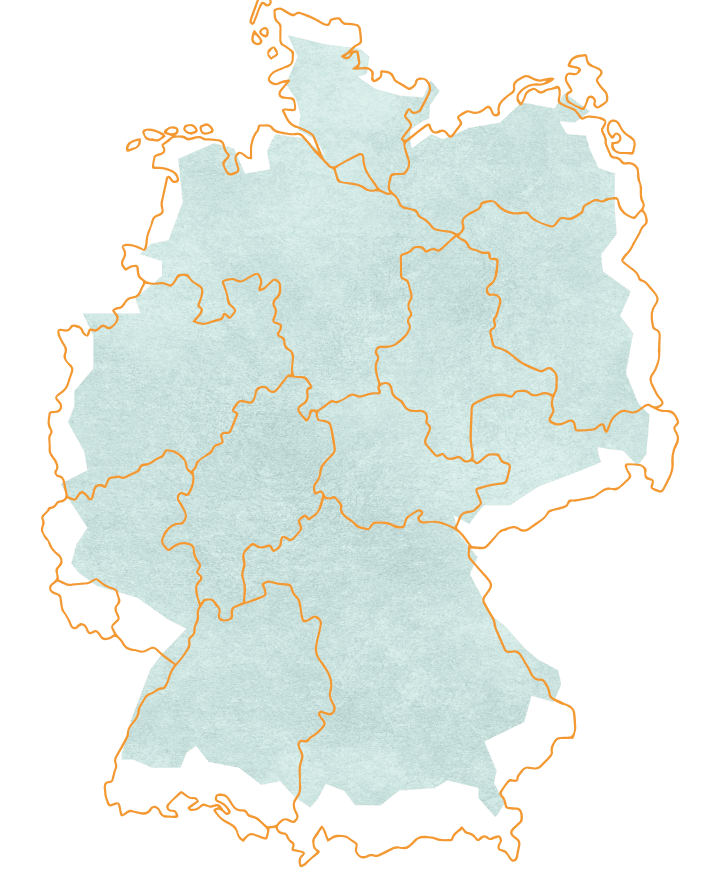
25.2 MILLION
OUT OF
83.7 MILLION
people in Germany have a migration or refugee background.


Across Germany, many organizations, institutions, and initiatives are deeply committed to integration and inclusion. Yet, we are still on our way to developing a Culture of Welcome for all. Individuals and systems are stretched by the sometimes beautiful, sometimes challenging growth opportunities that come with multi-cultural interactions.
We are all called to evolve with the expansion of relational possibilities and deeper understanding that mingling people and cultures offer.
Usually, integration efforts focus on helping migrants to adapt. This project aims to address the adaptational support for societal structures and the evolutionary leaps these systems need to face in a two way process:
shared spaces where welcome can be openly offered
+structures that can hold and soften difference,
polarisation, or uncertainty
GERMAN SOCIETY
Two Way Integration Process
MIGRANTS
language acquisition, employment pathways,
administrative procedures, and education
NEEDS ASSESSMENT
Join us for a systemic learning journey that strengthens social resilience through people, organizations and social fields.
PROGRAMME OUTLINE
PART 1
TRAUMA-INFORMED
LEADERSHIP
TRAINING
MAY - JUNE 2026
(6 modules, 3 integration sessions) Focusing on embodied safety, relational competence, power awareness, and leadership capacities for navigating complexity and integration work without retraumatization.
PART 2
RESILIENCE
FACILATION
TRAINING
JULY–SEPTEMBER
(6 modules) Building practical facilitation skills to hold dialogue spaces, resilience circles, and collective processes that strengthen belonging, trust, and integration capacity in organizations and communities.
PART 3
PEER LEARNING &
INTEGRATION
PRACTICE
SEPTEMBER–DECEMBER
Ongoing peer-to-peer reflection, supervision, and shared learning as well as pilot interventions in organizations.
Throughout the year, we will offer social witnessing spaces for both migrant and German stakeholders, as well as in-person workshops/meetings with organizational change & societal transformation practitioners in Germany.

Who Is This For?
Two Entry Points, One Shared Field
Migrant-serving organizations
holding communities through instability and uncertainty,
navigating multiple systems at once,
carrying emotional, relational, and cultural labor that remains unseen.
Organisations of Welcome
tasked with inclusion without the time or structures to support it,
navigating resistance, overload, or polarization,
holding complexity without adequate peer reflection.
Both groups learn together — without collapsing power differences — because welcoming cultures are co-created.
From Listening to Practice
the learning architecture
Listening & Needs Assessment
Honest mapping of lived realities, constraints, and unspoken challenges
Peer Learning & Integration Practices
AOngoing reflection, supervision, and shared learning

Social Witnessing & Collective Reflection
Practice & Prototyping
Capacity Building & Training
The future workforce needs systems that can integrate

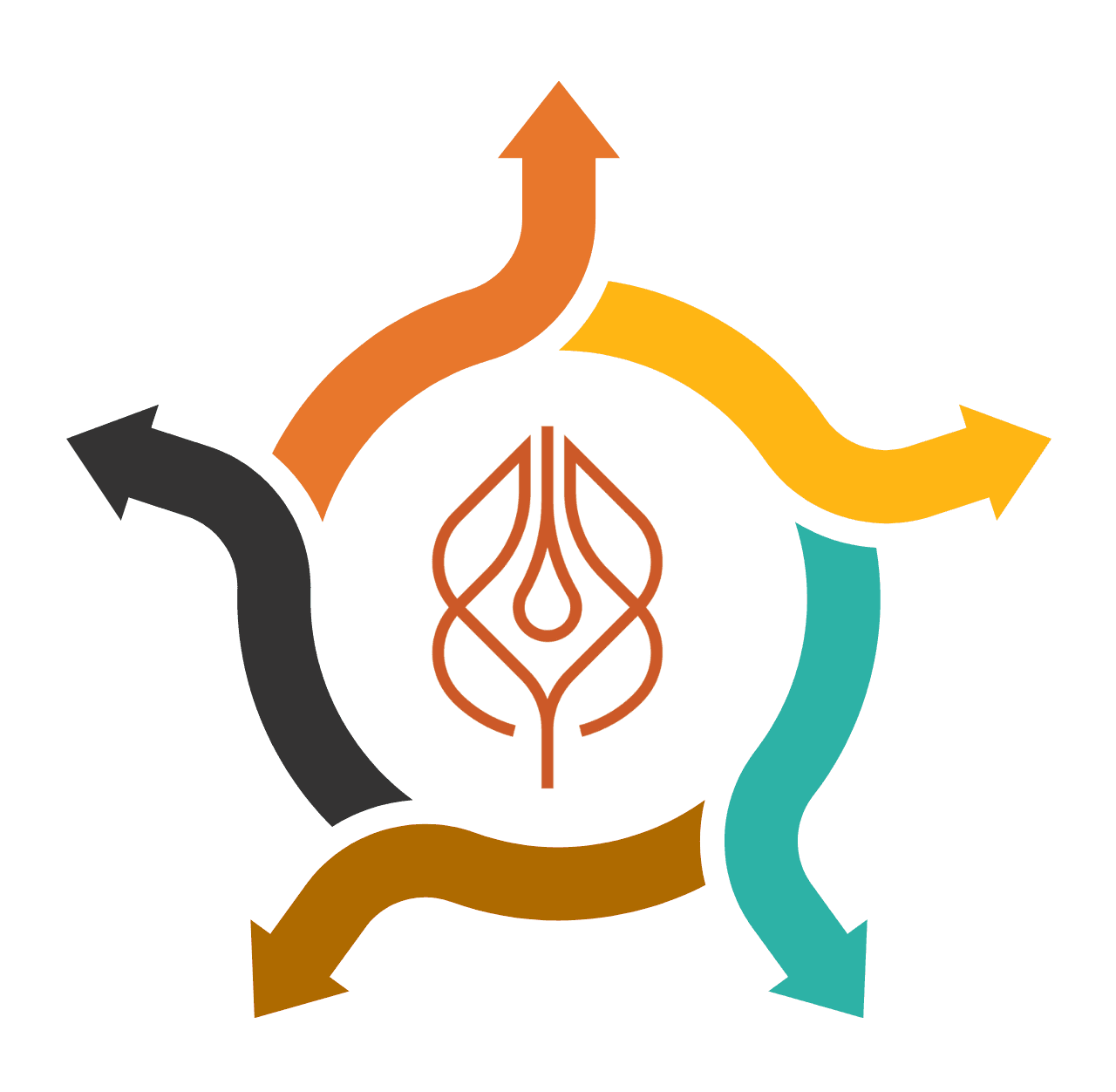
5 core INTERVENTION pathways
Psychosocial Trauma-Informed Leadership Experts
Participants develop certified competencies to accompany integration and welcome processes with trauma-sensitive awareness, regulation skills, and cultural humility.
Social
Resilience
Facilitators
Graduates are trained to hold Resilience Circles and dialogical spaces that strengthen trust, belonging, and social cohesion.
Welcome
Cultures & Practices
Regularly facilitated spaces in organizations, municipalities, or communities where differences can be met safely and relationships can deepen. A lived culture of welcome emerges
Integration Prototypes in Organizations
Co-designed pilot interventions that adapt onboarding, decision-making, conflict hosting, and participation structures to support real welcome.
Co-Designed Community Interventions
Participants develop certified competencies to accompany integration and welcome processes with trauma-sensitive awareness, regulation skills, and cultural humility.
Who Is Holding This Work?
The Pocket Project is an international organization working at the intersection of collective trauma integration, social resilience, and systems change.
For over a decade, we have supported communities, organizations, and leaders in navigating crisis, polarization, and transformation without losing their humanity.
This project builds on our experience with global Social Witnessing, trauma-informed facilitation and long-term systemic capacity building.
Kosha joubert
Summit Host | CEO of the Pocket Project | Trainer | Consultant
Kosha joubert
Summit Host | CEO of the Pocket Project | Trainer | Consultant
Kosha joubert
Summit Host | CEO of the Pocket Project | Trainer | Consultant
Kosha joubert
Summit Host | CEO of the Pocket Project | Trainer | Consultant
Kosha joubert
Summit Host | CEO of the Pocket Project | Trainer | Consultant
Kosha joubert
Summit Host | CEO of the Pocket Project | Trainer | Consultant
Who Is Holding This Work?
The Pocket Project is an international organization working at the intersection of collective trauma integration, social resilience, and systems change.
For over a decade, we have supported communities, organizations, and leaders in navigating crisis, polarization, and transformation without losing their humanity.
This project builds on our experience with global Social Witnessing, trauma-informed facilitation and long-term systemic capacity building.
Learn more about our facilitator: Damaris Pietsch, Sonita Mbah, Kosha Joubert
What we are building upon - our previous research

Overcoming Polarisation in Crisis Research

GSW
Testimonials
Join the Learning Process

This journey begins with listening. Whether you are part of a migrant organization or shaping organizations from within systems, your experience matters.
Take part in the Needs Assessment
Participation does not commit you to the full program — it helps shape what becomes possible.