RESILIENCE PROGRAM
Facilitation Training for Societal Resilience
A professional training for practitioners, leaders, and community stewards
Overview
Something is being asked of us in these times. More people are carrying more weight — grief, displacement, polarization, the aftershocks of collective trauma. And in communities, organisations, and movements around the world, something else is also emerging: a growing group of people who want to hold space for what is difficult, who want to help others move through, heal and transform rather than get stuck or overwhelmed.
If you are one of those people — a facilitator, practitioner, educator, leader, or community steward — this training is for you.
The Resilience Facilitation Training is Phase 2 of the Resilience Program, and is offered here as a stand-alone path for those ready to deepen their facilitation skills in this specific terrain: the terrain of trauma, resilience, and collective healing.
The primary program is offered in English, with dedicated strands unfolding in Ukrainian, Arabic, and German to support societal resilience and cultures of welcome.
Phase 2
Resilience Facilitation
Facilitation training: Holding Resilience Circles, creating safe containers, navigating tension, emergence, polarization.
Phase 2 builds on the embodied, relational, systemic foundations from Phase 1 and translates them into practical facilitation competencies for dialogue and group sharing. Participants learn to hold Resilience Circles (and/or Resilience Conversations) with trauma-informed ethics, coherent presence, and attuned relational capacity.
6 Modules (in English with simultaneous translation) and 3 Integration Sessions (in context- and language specific strands)
Join the Program
What This Training Offers
Facilitation is more than technique. When we are working within groups, cultures and communities affected by historic and current trauma; teams navigating crisis; circles formed in the wake of loss — the facilitator’s presence, steadiness, and relational attunement are the most important tools in the room.
Regulate yourself in moments of intensity
Build coherence and deepen collective listening
Work with your fears, bias and tendencies
Navigate conflict, polarization, and emotional intensity with steadiness
Open and hold a safe, trauma-informed group container
Facilitate Resilience Circles and Conversations across diverse contexts
Resource and regulate the relational field
Work with emergence, silence, and the unexpected
You will leave with the practical competencies, ethical clarity, and embodied readiness to host spaces that support connection, integration, and resilience.
Dedicated Strands
To ensure cultural relevance, accessibility, and depth of integration, the program is offered through a number of language and context-specific strands.
Current language strands include:
English
or participants from diverse global contexts
In addition to language-based groups, participants joining the English strand will be able to select from dedicated community-focused strands. These are currently in formation and are intended to support deeper resonance and shared context. They are likely to include specific spaces for Global Majority, African, and Jewish participants.
Each strand follows the shared core curriculum, while offering language-specific integration sessions and culturally attuned support. This structure allows participants to engage with the material in ways that are both globally connected and locally meaningful.
Modules
Module 1
July 08, 5-7pm CEST - with Markus Hirzig
Opening the Field: Intention, Orientation & Ethical Grounding
Themes:
● Trauma-informed agreements (safety, consent, choice)
● Creating a healing-centered “container”
● How to open a witnessing field
●Facilitator’s presence as the first competence
● Attuning to yourself, the field, and the group
Learning Outcomes:
Participants gain the competence to open, orient, and ethically frame a session while starting to establish a coherent, safe, and inclusive field.
Before a word is spoken, the container is already being shaped. Learn the ethics and craft of beginnings: how to arrive, attune, and open a space people can genuinely trust.
Module 2
July 16, 5-7pm CEST - with Karen Simms
Resourcing the Field: Regulation, Capacity & Collective Stability
Regulation is not a technique — it is a quality of presence. Learn to stabilise yourself and the group, weave resourcing into the flow of a session, and respond to activation with steadiness.
Themes:
● Polyvagal-informed resourcing
● Trauma-informed resourcing practices
● Collective resourcing in Resilience Circles and Resilience Conversations
● Balancing activation and settling
● Recognizing overwhelm, freeze, collapse, and hyperarousal in groups
Learning Outcomes:
Participants can reliably stabilize a group field, tend to nervous system activation, and cultivate sustainable collective presence.
Integration Session 1 - Jul 22, 5-7pm CEST
Module 3
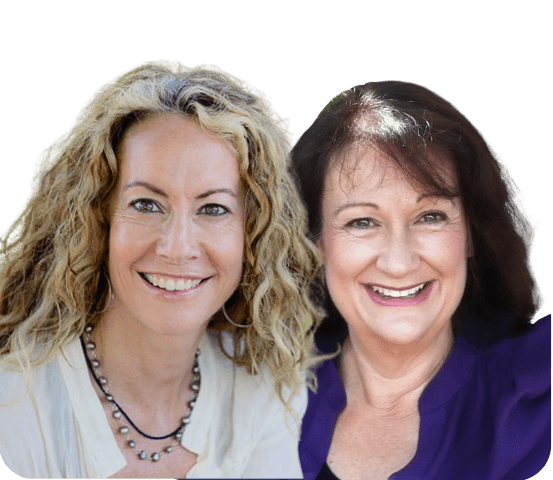
August 18, 5-7pm CET - with Eva Giedt & Rae Riedel
Building Coherence: Relational Presence & Group Field Sensing
Coherence is not agreement — it is the quality of being genuinely present together. Develop subtle sensing, deep listening, and the ability to invite the kind of collective presence that makes real witnessing possible.
Themes:
● Group coherence as a prerequisite for witnessing
● Trauma-informed relational principles
●Working with silence, resonance, and slow time
Participants gain the ability to create and sustain relational coherence, deepening the field of presence required for trauma-informed witnessing.
Module 4
Aug 26, 5-7pm CEST - with Robin Alfred
Meeting Conflict: Polarization, Edges & Transformational Tension
Conflict is not a failure of facilitation. It is often where the most important work lives. Build skill and steadiness in holding polarization, naming edge dynamics, and supporting the repair that restores trust.
Themes:
● Trauma patterns that shape conflict
● Facilitator neutrality, boundaries & transparency
●Naming relational and field dynamics with precision
Participants learn to facilitate conflict and polarization with clarity, compassion, and steadiness, helping to transform tension into deeper coherence
Integration Session 2 - Aug 27, 5-7pm CEST
Module 5
Sept 1, 5-7pm CEST - with Kosha Joubert
Applied Facilitation: Designing & Guiding Resilience Circles
From opening to closing, learn the full arc of a Resilience Circle. Design sessions with trauma-informed sequencing, facilitate group sharings, and prepare for your practice with structured, compassionate feedback.
Themes:
● Anatomy of a Resilience Circle or Conversation session
●Trauma-informed sequencing
● Facilitator self-preparation (inner hygiene)
● Designing openings, middles, and landings
●Co-facilitation
Learning Outcomes:
Participants prepare to complete Phase 2 with the practical capacity, ethical clarity, and embodied readiness to host Resilience Circles during Phase 3 (Supervised Practice)
Integration Session 3 - September 10, 5-7pm CEST
Module 6
Sep 29, 5-7pm CEST - with Thomas Hübl
Working with Emergence: Complexity, Chaos & the Unscripted
The most alive moments cannot be planned. Cultivate the capacity to follow the pulse of the group, meet the unexpected with trust, and guide collective sense-making through complexity and the unknown.
● Feeling the “pulse” of the group
● Liminality, thresholds & the unknown
Learning Outcomes:
Participants grow confidence in working with uncertainty, sensing emergence, and guiding groups through complexity with ethical grounding.
Integration Sessions (3)
Delivered in the relevant language strands, these sessions support:
- integrating the module themes in smaller groups,
- strengthening peer learning,
- deepening embodiment,
- contextualising tools within local realities.
They ensure participants can personalize and contextualize Phase 2 learning before entering Phase 3 – Practice.
Grounded in Depth: The Resilience Program
This facilitation training does not stand alone — it is embedded in a larger framework of understanding about trauma, resilience, and collective healing.
The Resilience Program was developed in response to a growing recognition: that facilitating in times of collective stress is a fundamentally different practice from facilitation in stable contexts. When people carry unprocessed trauma — individually, relationally, systemically — it shapes what happens in rooms. It shapes what is spoken and what cannot be spoken. It shapes how conflict arises and how it evolves or cycles. .It shapes whether people can truly be present with one another.
The Resilience Program draws on polyvagal theory, somatic awareness, collective trauma integration frameworks (based on the work of Thomas Hübl), nervous system literacy, and decades of practice in humanitarian and community contexts. Phase 1 of the program builds the inner and systemic foundations — embodied safety, relational intelligence, trauma literacy, ancestral and systemic awareness — that make Phase 2’s facilitation work possible.
Registration
Registration
Middle & High Income
If you’re able to choose this price, you’ll help us offer scholarships to participants from the Global South and crisis areas—supporting a more inclusive and compassionate field.
€245
Low Income
This reduced price is for those with lower income—it’s our way of making the training more accessible while honoring your commitment to this work.
€175
Scholarships
Scholarships will be allocated with the intention of supporting a diverse and impactful cohort. We consider:
- Geographic and socio-economic context, including participants from regions facing systemic challenges (informed by UN classifications)
- Representation across cultural, ethnic, and gender diversity
- Demonstrated engagement with trauma-informed or resilience-oriented work
- Active contribution or leadership within a community, organisation, or field of service
the Facilitators of Phase 2
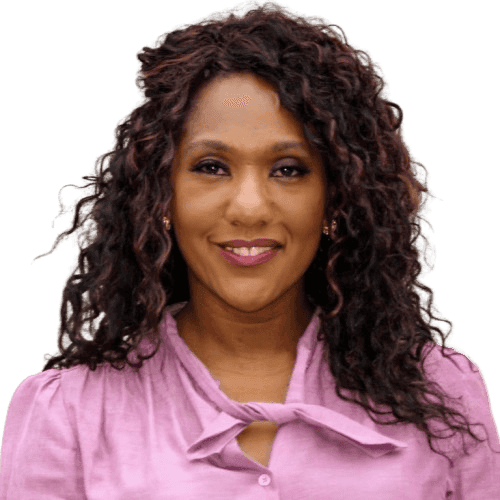
Karen Simms
MAMFT, LMHC I Consultant I Trainer I Facilitator I Coach
Kosha joubert
CEO of the Pocket Project I Global Facilitator I Coach & Speaker
Thomas Hübl
International Teacher & Facilitator I Author I Collective Trauma Healing Expert I Founder of AIS & Pocket Project
Rae riedel
Doctor of Chiropractic I Functional Medicine Practitioner I Breathwork Facilitator I Holistic Healing Guide
Eva Giedt
Psychotherapist | Teacher & Facilitator | Mentor for Collective Trauma Facilitator Training
Robin Alfred
Executive Coach I Facilitator I Organizational Consultant
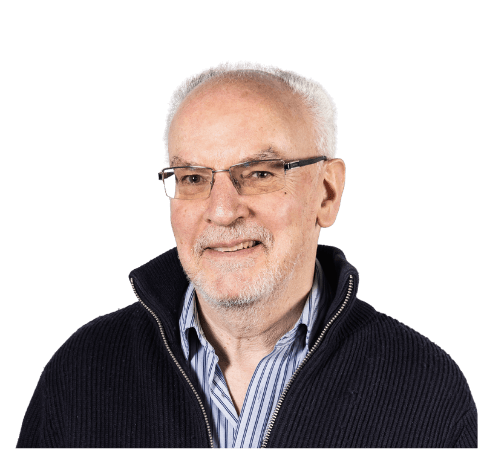
Markus Hirzig
Physiotherapist | Osteopath | Trauma-Informed Facilitator, Teacher and Guide
Continue into Supervised Practice
Participants who complete Phase 2 are eligible to continue into Phase 3 of the Resilience Program: a supervised practice phase offering structured facilitation practice, peer reflection, and mentoring with experienced practitioners. Phase 3 runs September–December 2026 and provides the space to embody and refine these skills in real-world contexts over time.